Richland Community College is moving forward with more than $20 million in capital improvements that will modernize campus facilities, enhance student learning environments, and significantly expand workforce training opportunities throughout Central Illinois.
The two major projects include a $12.3 million renovation of the College’s West Wing and an estimated $7 million expansion of its Commercial Driver’s License (CDL) training facilities. Both projects are expected to begin construction in spring 2027 and represent the College’s continued commitment to investing in educational infrastructure that supports student success and regional economic growth.
“These projects are about more than updating buildings. They’re about creating opportunities for our students and strengthening the communities we serve,” said Dr. Cristobal Valdez, President of Richland Community College. “By modernizing our learning environments and expanding our capacity to train students for high-demand careers, we’re making investments that will benefit our students, local employers, and the region for years to come.”
West Wing Renovation: Modernizing the Student Learning Experience
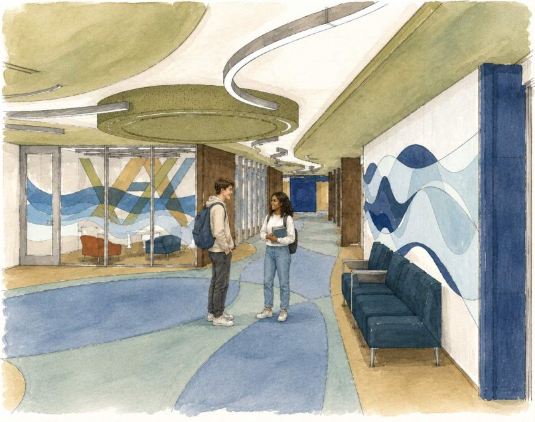
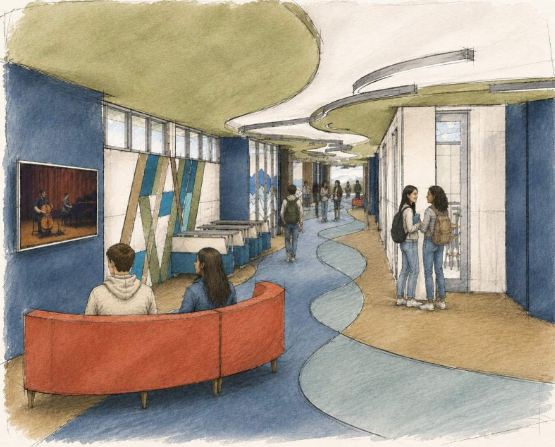
As part of Phase 2 of Richland’s Facilities Master Plan, the College will invest approximately $12.3 million to renovate 28,000 square feet of its original main campus facility, which opened in 1987. The project encompasses the area extending from the Center Core west to the corridor connecting the main campus to the Shilling Community Education Center.
The renovation will transform existing classrooms, academic support areas, and administrative spaces to better accommodate modern teaching methods and the evolving needs of students and faculty.
Key improvements include:
- Modernized Classrooms and Instructional Spaces: Redesigned classrooms featuring flexible layouts, integrated technology, and collaborative learning areas. Larger instructional spaces will accommodate expanded class sections and specialized academic needs, including nursing education and testing, for which the College currently has limited space.
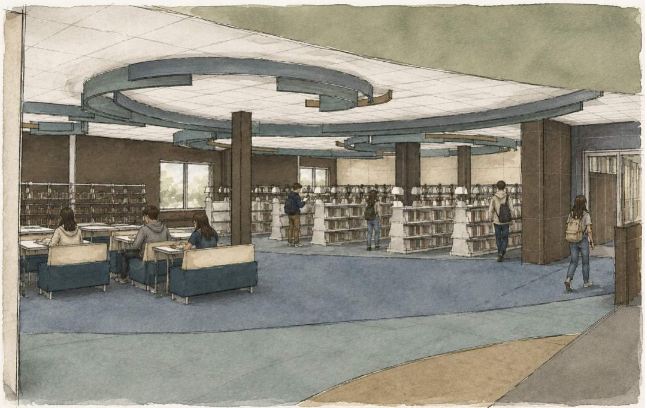
- Redesigned Learning Resources Center: A complete renovation and consolidation of the Learning
Resources Center (LRC), creating a more functional, accessible environment that reflects how students use academic resources, technology, and collaborative study spaces. - Flexible Interior Design: Continued incorporation of DIRTT modular interior systems, allowing classrooms and offices to be reconfigured as instructional and operational needs evolve.
- Enhanced Faculty and Administrative Spaces: Updated and reconfigured offices for faculty, Academic Services, Marketing, and the Richland Community College Foundation. The redesign will improve access to natural light and create more functional workspaces that support collaboration and student services.
- Improved Campus Connectivity: A new exterior entrance near faculty offices will provide direct access to the south courtyard, complemented by additional walkways and patio areas to enhance outdoor gathering spaces and campus accessibility.
- Building Infrastructure Improvements: Updates to aging mechanical, electrical, plumbing, and other building systems to improve efficiency, comfort, and long-term sustainability.
The West Wing Renovation builds upon previous phases of the College’s Facilities Master Plan, which focuses on modernizing its original campus infrastructure while creating flexible, student-centered spaces that can adapt to future educational needs.
Bids for the project are scheduled to open December 3, 2026, with construction anticipated to begin in mid-May. The renovated spaces are expected to be ready for the spring 2028 semester. Construction will be coordinated to minimize disruption to ongoing classes and campus operations.
Architectural plans and additional project information are available through the BLDD Architects Plan Room.
CDL Training Expansion: Strengthening Central Illinois’ Workforce
Richland is also advancing an estimated $7 million expansion of its Commercial Driver’s License training program to address growing demand for qualified commercial drivers across the region’s transportation, agriculture, manufacturing, and logistics industries.
With more than 300 prospective students on the program’s waitlist, existing facilities and training capacity have limited the College’s ability to meet demand. The expansion will provide dedicated instructional facilities and significantly increase hands-on training opportunities.
The project will construct a new approximately 20,000 square-foot Commercial Driver Training Center on the east side of Richland’s main campus, near the existing Workforce Development Institute. The facility will support two simultaneous student cohorts and include:
- Two Dedicated Classrooms: Modern instructional spaces designed to accommodate up to 24 students each, allowing multiple training cohorts to operate simultaneously.
- Three Advanced Driving Simulator Rooms: Dedicated spaces for high-fidelity truck driving simulators, providing students opportunities to practice real-world driving scenarios, including highway travel, urban deliveries, and challenging road conditions, before entering a training vehicle.
- Enclosed Truck Bay: An approximately 1,500-square-foot bay for vehicle inspections, demonstrations, and hands-on instruction, with direct access to the outdoor training area.
- Expanded Driving and Maneuvering Areas: A new 60,000-square-foot concrete driving pad, along with supporting truck access and circulation areas, to provide a controlled environment for practicing backing, turning, coupling, and other essential commercial driving skills.
- Student Collaboration and Support Spaces: Dedicated areas for small-group instruction, collaboration, equipment storage, and instructional support.
- Improved Site Access and Infrastructure: New truck circulation routes, parking, drainage, lighting, and site improvements to accommodate increased training activity and support safe vehicle movement.
The expanded facilities are designed to increase annual CDL training capacity by approximately 60%, from 100 to 160 students, while allowing the College to offer additional training schedules and more specialized instruction.
Beyond traditional CDL licensure, the new facility will create opportunities to expand training in transportation safety, vehicle inspection, logistics, fleet management, and emerging transportation technologies. The project will also support Richland’s Minority Mentor Protégé Program, which helps CDL graduates develop the business and operational skills needed to become independent owner-operators.
The expansion is particularly important to Central Illinois, where transportation and logistics play a critical role in supporting agriculture, manufacturing, food processing, and distribution. The project aligns with regional workforce development priorities and supports the Midwest Inland Port, a multimodal transportation hub connecting rail, road, and river transportation.
Richland continues to work with regional employers, including ADM, Primient, Caterpillar, and other industry partners, to align training with workforce needs and create employment pathways for graduates.
“Transportation and logistics are essential to our regional economy, and our CDL program has experienced tremendous demand,” said Valdez. “This expansion will allow us to serve more students, reduce barriers to training, and provide local employers with a stronger pipeline of skilled drivers. It’s an investment in both individual career opportunities and the long-term economic vitality of Central Illinois.”
Bidding for the CDL expansion is anticipated to begin in early 2027, with construction expected to start in spring 2027 and be completed in time for the spring 2028 semester.
Investing in Richland’s Future
Together, the West Wing Renovation and CDL Training Expansion represent more than $20 million in planned capital investments at Richland Community College.
The projects will be supported through a combination of existing working cash funds, bond financing, and other available funding sources, with final allocations determined as project costs and financing are finalized. The investments are not expected to require an increase in the College’s property tax levy, reflecting Richland’s commitment to responsible financial stewardship while investing in facilities that support student success and regional workforce development.
In addition to enhancing educational facilities, both projects will create construction opportunities for regional contractors and skilled trades while strengthening Richland’s ability to respond to changing educational and workforce needs.
“Richland has served this community for more than 50 years, and these investments reflect our responsibility to plan for the next generation of students,” said Valdez. “We want to ensure that our facilities, programs, and resources continue to provide the quality education and workforce training our community deserves.”
Additional construction updates and project milestones will be shared as both projects move forward.